Are Football Injuries Preventable or Is It Just Bad Luck?
In the high-stakes world of modern football, where every point can define a season, injuries are more than just unfortunate events—they can derail entire campaigns. As fans and analysts debate whether injuries are simply bad luck or something clubs can actively prevent, it’s crucial to understand the fine margins at play. Football is, after all, a contact sport with inherent risks, but advances in data analysis, personalised recovery strategies, and sports science have shifted the narrative towards risk reduction rather than helpless acceptance.
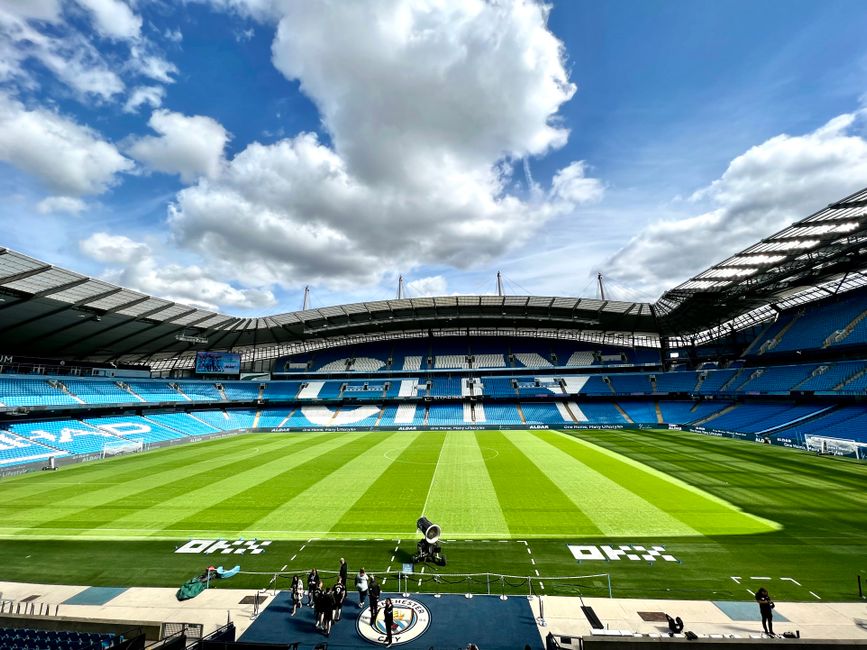
The Fine Margins in Modern Football
Football today is faster, more physical, and involves more frequent matches than ever before. Players are pushed to their limits week in, week out. With the tactical sophistication and physical demands rising, clubs and medical teams work tirelessly to reduce injury risk. Yet, for all the planning, a slip, an awkward tackle, or a moment of sheer bad luck can still cause a player to pick up an injury.
Understanding these "fine margins" is key:
- Speed and Intensity: Modern footballers cover more distance at higher speeds. Sudden bursts—sprinting, twisting, and tackling—place huge stress on muscles and joints.
- Contact Nature: Football is a contact sport. No matter the precautions, impacts and collisions happen regularly.
- Fatigue Factor: Fatigue accumulates across a season, especially when teams play two games a week or more. This wear and tear reduces reaction time and muscle resilience, increasing injury risk.
Fixture Congestion and Travel: The Hidden Risk Multiplier
It’s no secret that fixture congestion—playing multiple matches within a few days—intensifies injury risk. The recovery window shrinks, leaving players with less time to heal and re-energise. This issue is compounded by travel, particularly for teams competing in Europe or international fixtures.
Why does this matter?
- Squad Rotation Pressures: Managers may be forced to play key players even when not fully recovered due to a packed schedule.
- Sleep Disruption: Late matches, especially those abroad, disrupt players’ natural sleep cycles. Poor sleep impairs muscle recovery, cognitive focus, and injury resilience.
- Travel Fatigue: Crossing time zones and enduring long flights can cause jet lag, further sabotaging physical and mental recovery.
Case in Point: Late Night European Fixtures
Take a Premier League team travelling to Eastern Europe for a 8pm kickoff. The match finishes around 10pm local time, possibly later with added time. Players get back to their hotel past midnight, disrupting their usual sleep routines. Returning home often means an early flight the next morning. The cycle offers minimal quality rest before preparing for the next fixture, heightening injury susceptibility.

Data Analysis and Sprint Data: Tools Changing the Game
One of the game-changers in injury risk management has been the use of data analytics, especially sprint and movement data captured via GPS trackers during training and matches. These tools allow staff to quantify exactly how much stress each player endures on and off the ball.
- Sprint Distance and Intensity: Sudden, maximal effort sprints are linked to muscle strain injuries. Tracking sprint volume helps flag when a player might be overreaching.
- Acceleration Changes: Faulty or excessive acceleration, deceleration, and cutting movements can strain tendons and ligaments.
- Fatigue Metrics: Combining sprint and heart rate data helps teams monitor how fatigue builds up within and across matches.
This wealth of information allows medical and performance staff to identify early warning signs of injury risk and tailor training loads accordingly. For example, if a player exceeds their hayters usual sprint workload or displays signs of reduced movement efficiency, coaches might reduce training intensity or adjust their match minutes.
Personalised Recovery Plans: Beyond One-Size-Fits-All
Every player is different. Genetics, body type, position, previous injury history, and even lifestyle factors determine how someone responds to stress and recovers. Recognising this, modern football clubs are developing personalised recovery protocols instead of generic plans.
Key components include:
- Individual Load Monitoring: Using GPS and heart rate data to understand how much physical strain the player is under.
- Nutrition and Hydration: Tailoring diets for optimal recovery and injury resilience.
- Physiotherapy and Manual Therapy: Regular sessions focusing on vulnerable areas (hamstrings, knees, ankles).
- Sleep Hygiene Education: Providing guidance on managing sleep around match times, especially after late kickoffs.
- Mental Health and Stress Management: Psychological fatigue can be as damaging as physical tiredness.
By zooming in on these individual needs, clubs can reduce injury risk significantly. It's rarely about eradicating injuries entirely but about reducing their frequency and severity.
What This Means for Saturday Selection
From a coaching perspective, this science and data translate into smarter squad management. Here’s what that looks like on the team sheet:
- Rotating Players Sensibly: Avoiding overusing key players, particularly in congested periods.
- Monitoring Load in Training: Adjusting intensity based on each player’s recent match and training demands.
- Tailoring Warm-Ups and Cool-Downs: Using evidence-based routines adapted to individual injury histories.
- Informed Substitutions: Taking off players showing early signs of fatigue to prevent injuries.
Ultimately, managers must balance the desire to field the best team against the long-term wellbeing of their squad. The choice isn’t always simple and is often affected by fixture calendars and squad depth.
So, Are Injuries Just Bad Luck?
It’s tempting to blame injuries on bad luck, and to some extent, unpredictability will always be part of a contact sport like football. However, the relentless march of data analysis, personalised recovery, and understanding fatigue means clubs can now do more than ever before to reduce injury risk.
Think of injury prevention like weather forecasting: while you can’t stop the rain, you can prepare with an umbrella or a rain jacket. Similarly, football teams can’t eliminate every injury, but through science and smart management, they can drastically lower how often and how severely it hits.
Summary Table: Key Factors in Football Injury Risk and Prevention
Factor Impact on Injury Risk Prevention/Management Strategy High-speed sprints and intense physical activity Increased muscle strain and fatigue Load monitoring via GPS; planned rest and recovery Contact nature of sport Risk of collisions causing trauma or soft tissue injury Technique coaching; protective gear where applicable Fixture congestion and travel Reduced recovery time; sleep disruption Squad rotation; sleep hygiene education; travel planning Sleep disruption from late matches Impaired recovery and cognitive function Post-match recovery protocols; controlled environment; caffeine timing Individual player factors (history, genetics) Varied injury susceptibility Personalised recovery and physiotherapy plansFinal Thoughts
Clubs investing in cutting-edge technology and sports science can make a tangible difference in managing injury risk across a season. While bad luck has its place in sporting narratives, we’re moving towards an era where prevention is far more than wishful thinking—it’s a tactical advantage.
For fans and pundits alike, understanding the complexity behind injury prevention can foster more informed discussions. Next time you hear about a key player missing through injury, remember it's rarely just chance—it's the result of a delicate balancing act involving science, schedule, and sometimes, unavoidable contact.